How Often Should a Restaurant Grease Trap Be Cleaned?
If you’re in the restaurant business, you already know your grease trap needs regular maintenance. The next question becomes, “How often?”
It gets tricky, because there’s no single right answer that applies to every kitchen. It depends on how busy you are, what you cook, the size of your interceptor, and the requirements of your municipality or control officer.
There’s two useful benchmarks we’re going to cover: the 25% rule and any routine minimum interval required by your local authority.
The Honest Answer: It Depends
You’ll see a whole host of different recommendations out there; monthly, every 90 days, something in between…they can be useful starting points, but shouldn’t automatically become your schedule.
Busy restaurants serving fried food will often accumulate fats, oils and grease (FOG) faster than other food establishments (a small café, for example). Trap size is also important, as is the effectiveness of staff at keeping food waste and cooking oil out of drains.
Common factors affecting cleaning frequency include:
- Number of meals served
- Amount of frying and grease-heavy cooking
- Grease trap or interceptor size
- Kitchen disposal practices
- Seasonal changes in volume
- Local sewer-use bylaws
Many commercial kitchens fall somewhere in the 1-3 month range, but your actual schedule should be based on your restaurant’s usage and any local requirements!
What Is the 25% Rule?
One of the most common benchmarks for grease trap maintenance is what is known as the 25% rule.
A conventional grease trap or interceptor should generally be cleaned before the combined accumulation of FOG and solids reaches 25% of its liquid capacity.
If the buildup becomes excessive, the interceptor will lose its effectiveness and more grease can begin passing into the sewer system.
FOG + solids combined = 25% of liquid capacity — cleaning is due.
| Grease Trap Condition | What It Means |
|---|---|
| Below 25% | Trap still has working capacity |
| Approaching 25% | Schedule cleaning soon |
| 25% or more | Cleaning is due |
It’s important not to think of 25% as a “target”. Think of it more as a maximum threshold.
Some municipalities also require cleaning on a regular schedule regardless of fill level, so always confirm the rules that apply to your location!
What Determines Your Cleaning Schedule?
When deciding how often to clean a grease trap, focus on the following four things.
How Busy Is Your Kitchen?
More customers usually mean more wastewater, food solids and grease entering into the system.
A restaurant serving hundreds of meals each day may need much more frequent grease interceptor cleaning than a smaller restaurant.
What Are You Cooking?
Menus with lots of fried foods, meat, sauces and other grease-heavy items can fill an interceptor quickly.
Good habits also add up. Scraping plates and keeping cooking oil out of sinks can significantly reduce what enters the system!
How Large Is Your Interceptor?
A larger interceptor provides more capacity, but size alone does not determine cleaning frequency. What matters is how quickly FOG and solids accumulate relative to that capacity.
What Does Your Municipality Require?
This is one of the most important and individual factors.
Grease trap regulations in Alberta vary by municipality, and local authorities may establish maintenance requirements or minimum cleaning intervals that you have to adhere to.
For example, Alberta municipalities such as Calgary operate FOG programs requiring food-service establishments to properly maintain grease interceptors and keep maintenance records.
Operators in Medicine Hat and surrounding communities should confirm the requirements that apply to their specific property and operation.
A simple approach is to monitor how full your interceptor is at each cleaning, keep records, and adjust your schedule so service consistently happens before the threshold in your area is reached.
Signs Your Grease Trap Needs Cleaning Now
Sticking to your regular service schedule will help prevent most problems. However, staff should still be educated on and on the lookout for the following warning signs between visits:
- Slow-draining sinks or floor drains
- Foul odours near drains or the interceptor
- Visible grease buildup
- Gurgling sounds from multiple drains
- Fruit flies around floor drains
- Recurring drainage problems
These things can indicate that the interceptor is nearing capacity or that the grease is having an affect on downstream plumbing.
Have you noticed any of these signs? Don’t wait for your next scheduled service. Book a cleaning with us!
What Happens If You Wait Too Long?
A neglected grease trap will often lead to a much bigger problem.
FOG that escapes outside of an overloaded interceptor can accumulate in sewer lines and cause blockages.
For a commercial kitchen, that can mean:
- Wastewater backups
- Emergency plumbing costs
- Kitchen downtime
- Property damage
- Odour and sanitation issues
- Compliance or enforcement problems
A sewer backup during a busy service can be especially disruptive and costly.
Regular maintenance is much easier to plan (and generally far less expensive) than emergency cleaning and repairs. All the more reason to stay on track!
Recordkeeping Matters Too
Documentation is also important when it comes to grease trap maintenance.
Some municipalities require food-service operators to maintain records showing that interceptors have been properly serviced. Depending on local requirements, your cleaning records may include:
- Date of service
- Interceptor condition or fill level
- Volume removed
- Service provider information
A professional service provider can make this easier by providing consistent documentation after each visit. That’s where having a trusted partner in the industry can be helpful.
How Sanatec Helps
Instead of guessing how frequently your interceptor needs service, Sanatec can help you build a schedule based on your restaurant’s actual usage, interceptor capacity and local requirements!
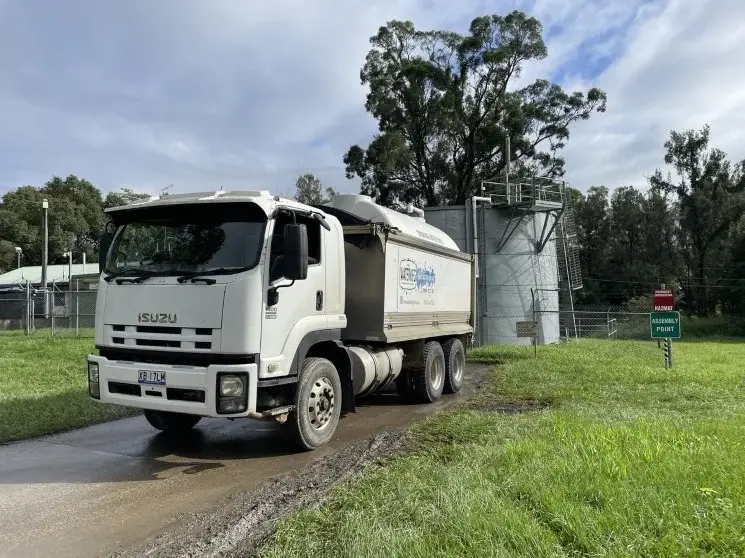
Our grease trap cleaning service provides professional vacuum-truck cleaning for restaurants and commercial kitchens throughout southeast Alberta.
Sanatec can help you stay ahead of excessive FOG buildup, maintain service records and establish a cleaning interval that makes sense for your operation.
We also provide septic and vacuum truck services for a range of commercial wastewater needs.
Frequently Asked Questions
How often should a restaurant grease trap be cleaned?
There is no universal schedule. Many commercial kitchens require cleaning every one to three months, but high-volume operations may need more frequent service. Your actual interval should be based on grease accumulation and local requirements.
What is the 25% rule for grease traps?
The 25% rule means cleaning the interceptor before accumulated FOG and solids reach about 25% of its liquid capacity.
Is cleaning every 90 days enough?
It might be for some restaurants, but not others. If your interceptor reaches its applicable threshold sooner, it should be cleaned sooner. Your municipality may also require a specific minimum frequency.
How do I determine the right schedule?
Monitor how full the interceptor is at each service, keep tabs on any changes in business volume and confirm your local requirements with the appropriate authority. A professional provider can then help establish a recurring interval that makes sense.
Stay Ahead of Grease Trap Problems
There’s no one-size-fits-all answer to how often a grease trap needs cleaning, but the 25% rule, your kitchen’s usage and your local bylaws are a great place to start.
Not sure where your schedule should land? Sanatec can help you set a compliant, right-sized service plan and keep the records to prove it!
Call 403-548-7300 to book grease trap cleaning, or contact Sanatec for a quote.